










How Parts Live On: The Circular Life of a Scrapped Car
Scrapped cars may stop running, but their parts continue to serve. Learn how used components, recycled materials, and proper handling give vehicles a second life in Australia.

Introduction
A car does not stop having a purpose just because it stops moving. Once a vehicle has reached the end of its time on the road, its story does not end. It simply changes direction. Across Australia, thousands of cars are scrapped each year. Many of them may look like they have nothing left to give dented panels, worn tyres, broken glass but inside each vehicle are parts that can still serve.
This circular process of breaking down and reusing vehicle parts is not just about reuse. It is about recognising how even a wrecked car can remain useful and have an ongoing role in everyday life.
The Journey from Road to Yard
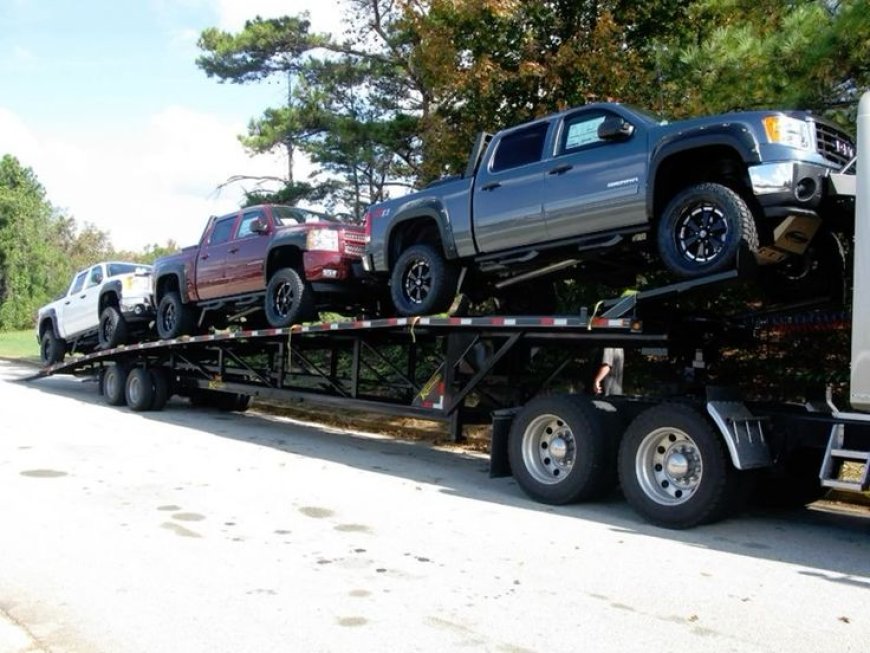
When a car is no longer safe or practical to drive, it often finds its way to a scrapyard. This happens for many reasons collisions, engine failure, flood damage, or simply old age. In most cases, the car is collected and transported to a yard where it is inspected.
Not every part of the car will be damaged. Engines, gearboxes, radiators, tyres, batteries, and interior parts may still work. Skilled workers look closely at what can be reused or sold. This process begins the circular path that allows parts to move from one vehicle to another.
The Value Hidden in Used Car Parts
Scrap vehicles may look worn, but they can still carry useful components. In fact, many drivers and mechanics in Australia choose used car parts as a smart alternative to buying new. Parts like mirrors, headlights, fuel pumps, alternators, and doors are often removed, cleaned, and sold.
In some cases, a single scrapped car can help repair several other vehicles. A working gearbox from a damaged sedan might go into a ute. Seats from one model may fit into another. This type of reuse allows people to keep their own vehicles running longer, while reducing the need for new manufacturing.
It also helps reduce the amount of waste sent to landfill. Instead of throwing away everything, scrapyards keep parts in use and make sure as little as possible goes to waste.
Metal and Material Recycling
Not all parts are kept whole. Once the reusable components are removed, the body of the vehicle is stripped and prepared for recycling. Steel, aluminium, copper, and plastic can all be recovered. These materials are sorted and then processed into raw material that can be used again in construction, roadworks, packaging, and even new cars.
This is a vital part of reducing pressure on natural resources. Mining for new metals takes more energy and causes more environmental damage than using recycled material. By recovering what already exists in scrapped cars, the automotive industry lowers its impact on the environment.
How Fluids and Tyres Are Handled
Cars contain many fluids oil, brake fluid, coolant, and fuel. If left unchecked, these can leak and cause environmental harm. That is why proper handling is essential. At a scrapyard, fluids are drained safely and stored for treatment or recycling.
Tyres, which are made of rubber and steel, are also collected. While they can no longer be used on cars, they can be broken down and used in other ways. In Australia, old tyres are sometimes turned into material for road surfacing or playgrounds. This keeps them out of landfill and gives them a second life.
Why Circular Use Matters
The reuse of car parts and materials is part of a bigger system called the circular economy. This means using products and resources for as long as possible, then recovering and repurposing them instead of throwing them away.
In the case of vehicles, this approach lowers pollution, saves energy, and gives more value to what already exists. Scrapped cars are not waste they are a source of future parts and materials. By keeping them in circulation, the entire system works more responsibly.
A Practical Need for Vehicle Removal
When a car can no longer be driven, it often becomes a burden. It may take up space, lose value over time, or create risks due to leaks or broken parts. In such cases, people often turn to local services that help remove unwanted vehicles and send them into the reuse and recycling system.
One example is the work done by car buyer Aspley, which supports owners who need to clear out cars that are no longer in use. These services ensure that the vehicle is not simply left to rust, but taken to a place where its useful parts are recovered and its materials handled correctly. It becomes part of the circular process, where nothing is wasted, and every part has a chance to live on in another form.
Conclusion
A scrapped car may look like the end of something, but it is actually the beginning of another cycle. From reuse of parts to recycling of metals and safe removal of fluids, every piece plays a role in something bigger.
In scrapyards across Australia, this cycle is in motion every day. A bumper becomes part of another car. A battery powers a replacement vehicle. The metal shell might one day be part of a bridge or a tool. Each scrapped car, even in its final state, still has something to give. Its story continues not on the road, but through the parts that live on.