











Why Am I Sleeping Too Much All of a Sudden? Causes, Signs & How to Take Back Control
Feeling unusually tired or oversleeping lately? Discover the causes, symptoms, and treatments for sudden excessive sleep and daytime sleepiness.

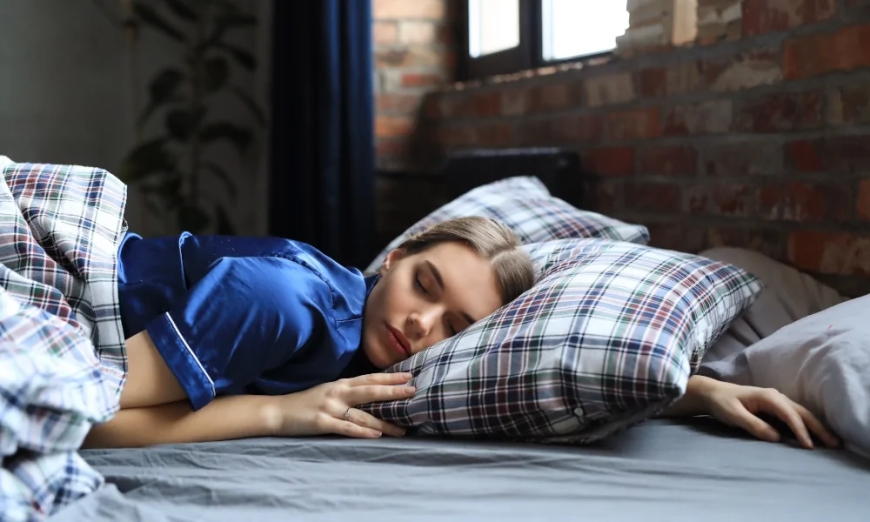
Have you recently found yourself sleeping far more than usualand still feeling tired? You're not alone. A sudden increase in sleep duration can feel confusing, even alarming, especially if you're used to a regular schedule. It might start as needing an extra hour in the morning or dozing off during the day. But over time, this pattern of sleeping too much can interfere with your job, relationships, and mental health.
The truth is, excessive sleepiness isn't just about being lazy or staying up too late. It can be a sign of an underlying health issue, a response to emotional or physical stress, or even a symptom of a sleep disorder like hypersomnia or narcolepsy.
In this blog, we'll explore the common causes, symptoms, prevention tips, and self-help strategies for sudden oversleeping in both males and females. We'll also discuss when to consider a sleep study and how to differentiate between normal tiredness and a medical condition like Excessive Daytime Sleepiness (EDS).
How Much Sleep Do You Really Need? (By Age)
First, lets clarify what too much sleep means.
| Age Group | Recommended Hours of Sleep |
|---|---|
| Teenagers (1417 years) | 810 hours |
| Young Adults (1825 years) | 79 hours |
| Adults (2664 years) | 79 hours |
| Older Adults (65+) | 78 hours |
If you consistently sleep over 9 hours and still feel tired, it could signal something more than just sleep debt.
Why Am I Sleeping Too Much All of a Sudden? Common Causes
1. Sleep Disorders
Disorders like hypersomnia, narcolepsy, and sleep apnea can cause extended sleep periods or Excessive Daytime Sleepiness (EDS).
-
Sleep apnea may not just disturb your sleepit can also make you feel like you havent rested at all.
-
A sleep study can help identify the root cause if you're waking up groggy despite long sleep hours.
-
Snoring or gasping during sleep? That could be a clue to sleep-disordered breathing.
2. Mental Health Issues
Depression and anxiety often affect your sleep patterns. Some people suffer from insomnia, while others may oversleep.
Mental exhaustion may cause both males and females to retreat into longer periods of rest as a coping mechanism.
3. Poor Lifestyle Habits
Inactivity, irregular sleep schedules, binge-watching at night, or poor diet can all lead to tiredness and feeling sleepy during the day.
Too little exposure to sunlight and lack of exercise or yoga can throw off your circadian rhythm.
4. Medications, Drugs & Alcohol
Certain medications, sedatives, or recreational drugs can cause grogginess and increased sleep time. Alcohol, especially in excess, disrupts deep REM sleep, causing fatigue the next day.
5. Pregnancy
In pregnant individuals, hormonal shifts, iron deficiency, and increased metabolic demands can lead to sleeping more than usual. This is particularly common in the first trimester.
6. Underlying Medical Conditions
Conditions like:
-
Thyroid issues
-
Diabetes
-
Chronic fatigue syndrome
-
Heart disease
can all cause persistent tiredness and oversleeping. A visit to your healthcare provider can help you rule these out.
7. Environmental Disruptions
Room temperature, noise, poor air quality, and even blue light exposure from screens can disrupt night sleep, making your body crave more rest later.
Signs You May Be Sleeping Too Much
-
Regularly sleeping more than 910 hours
-
Struggling to wake up, even with alarms
-
Feeling groggy throughout the day
-
Napping often or unexpectedly
-
Headaches upon waking
-
Mood changes or irritability
-
Trouble concentrating or making decisions
When to See a Sleep Specialist
If this change in sleep behavior:
-
Happens suddenly and without an obvious cause
-
Persists for more than 2 weeks
-
Is affecting your daily functioning
-
Comes with symptoms like snoring, gasping, or daytime fatigue
Then its time to consider professional help. A sleep study can uncover hidden sleep disorders that may be behind your sudden oversleeping.
? Learn more about daytime sleepiness and take your first step toward healthier, more energizing sleep.
Treatment & Self-Help Tips
?? Improve Sleep Hygiene
-
Keep a consistent sleep/wake schedule
-
Avoid caffeine or heavy meals before bed
-
Create a calm, dark, quiet sleeping environment
???? Incorporate Movement & Relaxation
-
Engage in daily exercise
-
Try yoga or meditation to lower cortisol levels and improve rest quality
? Support Your Body with Nutrition
-
Maintain balanced meals
-
Avoid high-sugar foods and alcohol before bed
? Evaluate Medications
Talk to your doctor about the side effects of medications youre taking. Some may contribute to drowsiness or oversleeping.
? Support Mental Health
-
Seek therapy or counseling if you're dealing with depression, grief, or anxiety
-
Keep a journal to identify emotional triggers tied to sleep changes
Can Oversleeping Be Prevented?
Yeswith the right approach. While one or two days of extended sleep might help you recover from exhaustion, consistent oversleeping shouldnt be ignored.
Prevention Tips:
-
Take a sleep quiz to evaluate your current patterns
-
Avoid long naps during the day
-
Stay active and socially engaged
-
Get regular health checkups to rule out medical causes
Conclusion
If youre asking, Why am I sleeping too much all of a sudden? the answer may be more complex than just needing rest. It might be your bodys way of telling you that something needs attentionwhether it's your mental health, your nighttime breathing, or a hidden sleep disorder like narcolepsy or hypersomnia.
Rather than masking the symptoms with stimulants or guessing at the cause, take a step toward clarity. Addressing daytime sleepiness starts with understanding whats happening when you sleep. And if necessary, let a sleep study guide the way toward meaningful, long-lasting solutions.
FAQs: Sudden Oversleeping & Daytime Sleepiness
1. Is sleeping too much suddenly a sign of something serious?
Yes, it can be. Sudden oversleeping may indicate underlying issues like sleep disorders, mental health concerns, thyroid imbalance, or chronic fatigue syndrome. If it continues for more than a couple of weeks, its best to consult a doctor or a sleep specialist.
2. What is hypersomnia, and how is it different from just being tired?
Hypersomnia is a medical condition where a person experiences excessive sleepiness during the day, even after long hours of night sleep. Unlike typical tiredness, hypersomnia significantly interferes with daily functioning and may require a sleep study for diagnosis.
3. Can anxiety or depression cause me to sleep more than usual?
Absolutely. Both anxiety and depression can disrupt your sleep cyclesometimes causing insomnia, other times leading to oversleeping. People often sleep more as a way to escape emotional distress or due to the physical fatigue linked to mental health issues.
4. How do I know if I have a sleep disorder?
If you're experiencing:
-
Frequent daytime sleepiness
-
Loud snoring
-
Gasping during sleep
-
Trouble staying awake during the day
-
Needing more than 910 hours of sleep regularly
...you may have a sleep disorder like sleep apnea, narcolepsy, or restless leg syndrome. A professional sleep study can confirm the diagnosis.
5. Can certain medications make me oversleep?
Yes. Sedatives, antihistamines, antidepressants, and some pain medications can cause drowsiness or prolonged sleep. Always check with your doctor if you suspect your meds are affecting your sleep.
6. What is EDS (Excessive Daytime Sleepiness), and how is it treated?
EDS is a condition where a person struggles to stay awake or alert during the day. Treatment depends on the root cause, which might be a sleep disorder, poor lifestyle habits, or a medical issue. Addressing the underlying cause often improves EDS significantly.
7. How can I prevent myself from sleeping too much?
You can prevent oversleeping by:
-
Following a consistent sleep schedule
-
Limiting naps to 2030 minutes
-
Exercising regularly
-
Avoiding alcohol and screens before bed
-
Getting evaluated if you notice persistent fatigue