











Compressed Air Dryer: Essential Equipment for Clean and Dry Compressed Air
In this article, we’ll explore what a compressed air dryer is, how it works, the different types available, and how to choose the right one for your application.

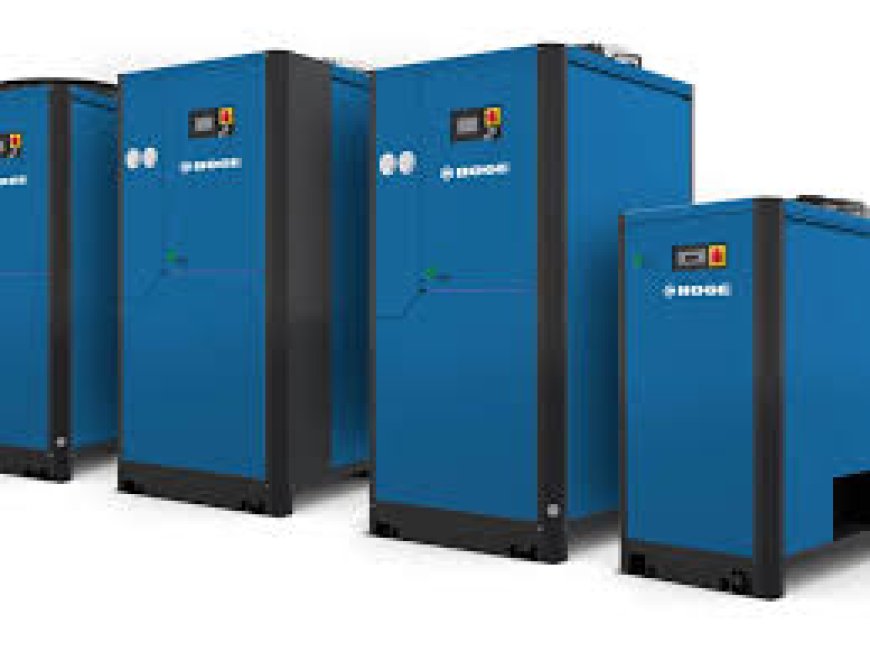
A compressed air dryer is a vital component in any compressed air system. It ensures that the air delivered to machines, tools, and processes is free of moisture and contaminants. Without it, moisture in the compressed air can cause corrosion, equipment failure, and poor product quality.
In this article, well explore what a compressed air dryer is, how it works, the different types available, and how to choose the right one for your application.
? What Is a Compressed Air Dryer?
A compressed air dryer is a device that removes water vapor and sometimes other contaminants from compressed air. When air is compressed, its temperature rises, and once it cools, it releases moisture. If left untreated, this moisture can damage pneumatic tools, clog pipes, and contaminate products.
?? How Does a Compressed Air Dryer Work?
The function of an air dryer is simple: it dries the air before it reaches the endpoint. The method used to remove moisture varies depending on the dryer type. Here are the most common methods:
? Types of Compressed Air Dryers
? 1. Refrigerated Air Dryer
-
How it works: Cools compressed air to about 3C (37F), condensing water vapor into liquid that is then drained.
-
Best for: General manufacturing, automotive, food and beverage.
-
Advantages: Reliable, low maintenance, ideal for most applications.
? 2. Desiccant Air Dryer (Adsorption Dryer)
-
How it works: Uses desiccant material (like silica gel or activated alumina) to absorb water vapor from the air.
-
Best for: Applications needing extremely dry air (e.g., pharmaceuticals, electronics).
-
Advantages: Can achieve very low dew points (-40C or lower).
? 3. Membrane Air Dryer
-
How it works: Air passes through a semi-permeable membrane that allows only water vapor to escape.
-
Best for: Small-scale or point-of-use applications.
-
Advantages: Silent operation, no moving parts.
? 4. Deliquescent Air Dryer
-
How it works: Uses a chemical tablet that absorbs moisture and dissolves into liquid.
-
Best for: Remote locations or temporary setups.
-
Advantages: No electricity required.
? Why You Need a Compressed Air Dryer
Using untreated compressed air can lead to:
-
Rust and corrosion in pipelines and tools
-
Downtime and maintenance costs from damaged machinery
-
Product contamination, especially in food, pharmaceutical, and paint applications
-
Decreased efficiency and lifespan of air tools and machines
A quality air dryer ensures your system runs smoothly, efficiently, and cleanly.
? Choosing the Right Compressed Air Dryer
When selecting a compressed air dryer, consider:
-
Airflow (CFM): Make sure the dryer matches your system's output.
-
Required dew point: How dry does your air need to be?
-
Operating conditions: Temperature, humidity, and installation environment.
-
Energy efficiency: Some dryers consume more energy than others.
-
Maintenance requirements: Consider ongoing costs and accessibility for servicing.
? Maintenance Tips for Longevity
-
Replace filters regularly.
-
Check for leaks and corrosion.
-
Drain condensate properly.
-
Schedule annual inspections.
-
Monitor dew point for performance accuracy.
? Conclusion: Dry Air Is Critical to Clean Performance
A compressed air dryer is more than just an accessoryits a necessity. Whether you're operating a small workshop or a large industrial plant, clean and dry compressed air keeps your systems efficient, your tools in good condition, and your products high in quality. Choosing the right dryer for your needs will protect your investment and ensure long-term reliability.