











Industrial Air Compressor: Powering Modern Industry with Efficiency and Reliability
In this article, we’ll explore what an industrial air compressor is, its types, applications, and key benefits to help you better understand its value in modern industry.

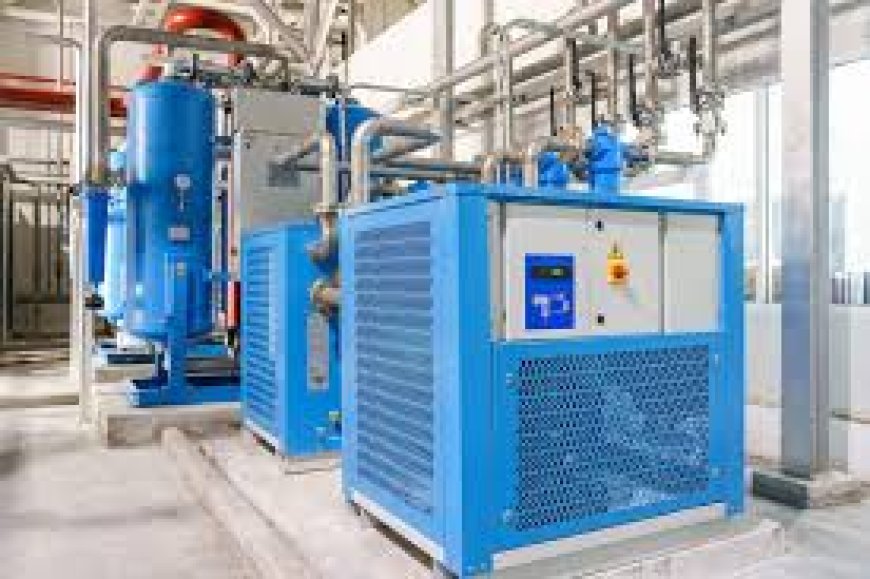
In todays industrial world, the demand for reliable and efficient power is greater than ever. From manufacturing plants to automotive workshops, the industrial air compressor plays a critical role in delivering energy to a wide range of tools, machines, and processes. Whether its powering pneumatic equipment or aiding in material handling, these systems are the silent backbone of many operations.
In this article, well explore what an industrial air compressor is, its types, applications, and key benefits to help you better understand its value in modern industry.
? What Is an Industrial Air Compressor?
An industrial air compressor is a machine that converts power (from an electric motor, diesel or gasoline engine) into pressurized air, which is then used to power equipment, tools, and processes in industrial settings. These compressors are designed for continuous and heavy-duty use, making them suitable for demanding environments.
? Types of Industrial Air Compressors
There are several types of air compressors used in industrial applications, each with its unique features and benefits:
? Rotary Screw Air Compressor
-
How it works: Uses two interlocking helical screws to compress air.
-
Best for: Continuous operation in factories and production lines.
-
Benefits: High efficiency, low noise, and minimal maintenance.
? Reciprocating (Piston) Compressor
-
How it works: Uses pistons driven by a crankshaft to deliver high-pressure air.
-
Best for: Intermittent use or applications requiring high pressure.
-
Benefits: Affordable and easy to maintain.
? Centrifugal Compressor
-
How it works: Uses high-speed impellers to increase air velocity and convert it to pressure.
-
Best for: Large-scale industrial plants with very high airflow requirements.
-
Benefits: High capacity, oil-free operation, and low maintenance.
? Industrial Applications of Air Compressors
Industrial air compressors are incredibly versatile and can be found in numerous sectors, including:
-
Manufacturing: Operating assembly lines, presses, and robotic systems.
-
Automotive: Powering spray guns, air tools, and tire inflation stations.
-
Construction: Running jackhammers, drills, and other pneumatic tools.
-
Food and Beverage: Assisting in packaging, bottling, and automation systems.
-
Pharmaceuticals: Supporting cleanroom environments and precision applications.
-
Oil & Gas: Aiding in extraction, transportation, and refining processes.
? Benefits of Using Industrial Air Compressors
-
High Efficiency: Capable of running 24/7 with minimal downtime.
-
Energy Saving: Modern compressors come with variable speed drives for optimized energy use.
-
Durability: Built to withstand harsh environments and high workloads.
-
Low Maintenance: Many models require less frequent service, reducing operational costs.
-
Cleaner Operation: Oil-free options are available for industries requiring contaminant-free air.
? Choosing the Right Industrial Air Compressor
When selecting an air compressor for industrial use, consider the following:
-
CFM (Cubic Feet per Minute): Measure of airflow capacity.
-
PSI (Pounds per Square Inch): Required pressure for your applications.
-
Duty Cycle: Percentage of time the compressor will be operating.
-
Energy Efficiency: Look for models with energy-saving technology.
-
Noise Level: Important in enclosed or populated work environments.
? Maintenance Tips for Industrial Compressors
-
Perform routine inspections of filters, belts, and hoses.
-
Drain condensate from tanks and dryers regularly.
-
Replace lubricants and check oil levels periodically.
-
Monitor operating temperature and unusual sounds.
-
Schedule annual service with professionals for long-term performance.
? Conclusion
The industrial air compressor is an indispensable piece of equipment across many sectors, offering unmatched reliability and performance. With the right type of compressor, industries can improve productivity, reduce energy consumption, and enhance the longevity of their tools and systems. As technology advances, modern compressors are becoming more energy-efficient, quieter, and smartermaking them even more essential for the future of industrial operations.