









Top Mistakes to Avoid When Buying Private Office Furniture
In this guide, we’ll highlight the most common mistakes people make when purchasing private office furniture and explain how to avoid them.

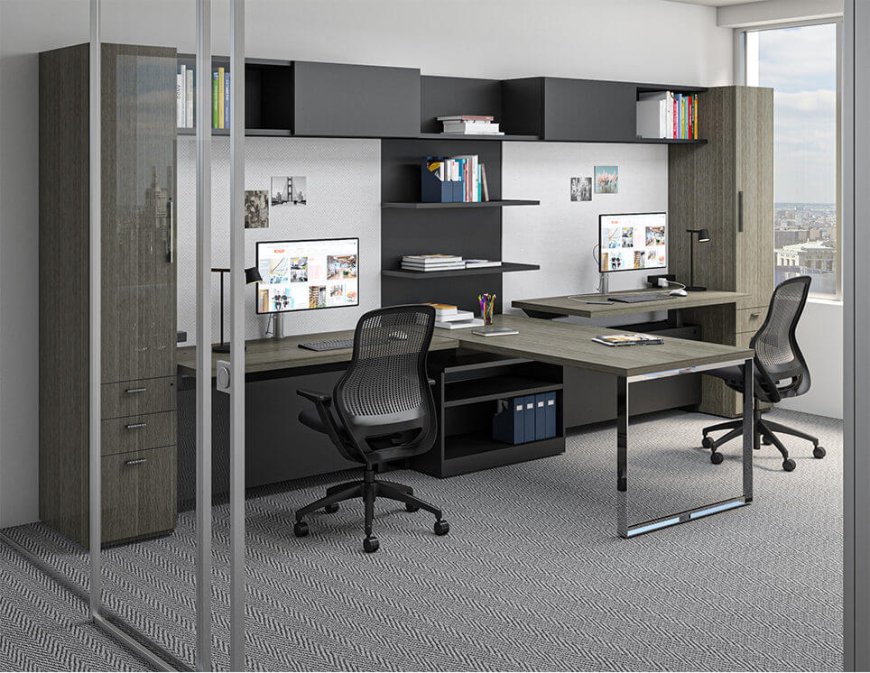
When setting up a private office, furniture is often one of the biggest and most important investments you'll make. The right private office furniture enhances productivity, supports comfort, and reflects your professional identity. But choosing the wrong pieces or overlooking crucial details can lead to discomfort, wasted money, and a cluttered, inefficient workspace.Whether youre designing a home office, executive suite, or business headquarters, these insights will help you make smarter, longer-lasting furniture decisions.
Why Furniture Selection Matters in a Private Office
Your private office isnt just where you work its a space that influences your mood, posture, concentration, and professional image. Poorly chosen private office furniture can create unnecessary distractions, physical discomfort, and even safety issues.
Well-chosen, high-quality furniture supports efficiency, enhances visual appeal, and creates a comfortable environment for daily tasks and client meetings alike. Thats why its crucial to avoid the most common mistakes buyers make when furnishing a private office.
The Most Common Private Office Furniture Buying Mistakes
Lets explore the typical errors professionals make during the office furnishing process and learn how to prevent them.
1. Ignoring Ergonomics
One of the biggest mistakes is focusing only on style and neglecting ergonomics. A chair that looks good but lacks lumbar support, or a desk thats too high or too low, can cause physical strain over time.
What to do:
Always prioritize ergonomically designed chairs and desks. Look for adjustable features like seat height, backrest tilt, and desk height options. Ergonomic private office furniture reduces fatigue, improves posture, and boosts long-term productivity.
2. Choosing Style Over Functionality
A beautiful executive desk or a sleek chair might catch your eye, but if it lacks essential storage, surface space, or comfort, itll hinder your workflow.
What to do:
Balance aesthetics with functionality. Consider how each piece will support your daily tasks. Do you need drawers for files? Adjustable shelves? Enough space for dual monitors? Select private office furniture that meets both style and operational needs.
3. Overcrowding the Office
Its tempting to fill every corner with furniture, but too many bulky items make a space feel cramped, restricting movement and causing unnecessary stress.
What to do:
Plan your office layout carefully. Measure available space and prioritize essential private office furniture like your desk, chair, and storage. Leave open walkways and room for easy movement to maintain a comfortable, breathable workspace.
4. Forgetting About Storage Solutions
Many people overlook adequate storage when selecting private office furniture. Without proper filing systems, shelving, and cabinets, clutter accumulates quickly.
What to do:
Invest in modular storage solutions that keep documents, supplies, and equipment organized. Choose furniture with built-in storage, wall-mounted shelves, or under-desk filing cabinets to maintain a tidy and efficient workspace.
5. Not Considering Lighting
Ignoring lighting needs can make even the best private office furniture feel ineffective. Poor lighting strains the eyes and affects mood and focus.
What to do:
Position your desk near a natural light source if possible. Complement it with adjustable desk lamps and soft, layered lighting throughout the office. Reflective surfaces like glass desks or light-colored furniture can also help brighten your workspace.
6. Buying Low-Quality Materials
Low-cost, poorly made private office furniture may seem like a budget-friendly option, but it often leads to short lifespans, discomfort, and a lack of professional polish.
What to do:
Choose high-quality, durable materials like solid wood, tempered glass, metal frames, and breathable mesh. Quality private office furniture withstands daily wear and improves long-term value.
7. Overlooking Cable Management
Messy, exposed cables from devices and chargers create visual clutter and safety risks in any office.
What to do:
Opt for private office furniture with built-in cable management features. Desks with cable trays, monitor risers with hidden cords, and tech-friendly grommets keep wires out of sight while keeping devices easily accessible.
8. Ignoring the Offices Future Needs
Buying furniture that suits your current situation without considering future expansion or changing work habits can create problems down the road.
What to do:
Select modular, reconfigurable private office furniture. Choose desks and storage units you can expand, adjust, or relocate as your business or workflow evolves.
9. Neglecting Personal Work Style
Not accounting for how you personally work can lead to an inefficient, uninspired office.
What to do:
Consider whether you need a large desktop for creative projects, a minimalist setup for digital work, or a collaborative area for meetings. Tailor your private office furniture choices to your personal habits and daily routine.
Best Practices When Shopping for Private Office Furniture
To avoid these mistakes and ensure long-term satisfaction with your investment, follow these proven tips:
-
Measure your office accurately, including doorways, windows, and wall outlets
-
Sketch a scaled floor plan before purchasing furniture
-
Prioritize ergonomic, high-quality desks and chairs
-
Test seating and desk heights in person when possible
-
Invest in modular, multi-functional storage solutions
-
Choose durable materials suited to daily use
-
Select furniture styles that reflect your professional image and brand
Trending Private Office Furniture Materials for 2025
High-performance, sustainable, and attractive materials are a priority in todays office designs. Heres whats leading the way:
-
Solid Wood: Durable, timeless, and versatile for desks and shelving
-
Bamboo: Eco-friendly and lightweight, with natural warmth
-
Tempered Glass: Clean, contemporary surfaces for desktops
-
Recycled Metal: Industrial strength with a modern finish
-
Mesh and Leather: Breathable and supportive materials for ergonomic chairs
Frequently Asked Questions (FAQs)
Q1: How do I choose the right private office furniture for a small space?
A: Prioritize essential pieces like a desk, chair, and compact storage. Use light colors, floating shelves, and modular private office furniture to maximize space without overcrowding.
Q2: Are standing desks really worth the investment?
A: Yes. Sit-stand adjustable desks improve posture, reduce fatigue, and support healthier work habits. Many modern options include programmable height settings and built-in tech features.
Q3: Whats the biggest mistake people make when buying office furniture?
A: The most common mistake is neglecting ergonomics and buying furniture based solely on appearance. Functionality and comfort are equally important for daily productivity and health.
Q4: How can I organize cables and cords in my private office?
A: Use furniture with built-in cable trays, under-desk hooks, and grommet holes. Cable clips and sleeves can also keep cords neatly bundled and out of sight.
Q5: How often should I replace private office furniture?
A: High-quality private office furniture can last 715 years or longer. Replace items when they show signs of wear, no longer support your needs, or become ergonomically outdated.
Conclusion
Avoiding common mistakes when selecting private office furniture ensures your workspace remains efficient, comfortable, and visually appealing. By prioritizing ergonomics, functionality, and thoughtful design, you can create a private office that supports your work style, professional image, and future growth.
Take the time to plan your layout, invest in quality materials, and choose modular, versatile furniture that grows with your needs. A well-furnished private office isnt just about appearance its a tool for daily productivity, health, and professional success.