










Your Tyre Rotation and Balancing Questions Answered
Even a tiny imbalance in your wheels can cause vibration, uneven wear, and extra strain on your suspension...

Most drivers know tyres need to be replaced eventuallybut what about rotating and balancing them? These two simple services can extend the life of your tyres, improve your ride quality, and even help you save fuel. Whether youve just bought a new set of Hankook tyres or youve been driving on the same ones for a while, this guide will help you make sense of tyre rotation and balancing.
What Is Tyre Rotation?
Tyre rotation means moving your tyres from one position on the car to another, usually in a specific pattern. For example, your front tyres might be moved to the back, and your rear tyres might be brought to the front. Sometimes the sides are switched too.
Why It Matters:
Tyres wear differently depending on their position. Front tyres tend to wear faster due to steering and braking. Rotating them helps even out this wear, so all four tyres last longer.
How Often Should You Rotate Your Tyres?
A good rule of thumb is every 8,000 to 10,000 kilometersor roughly every other oil change. If youve recently installed Hankook tyres, following this routine will help you get the most out of your investment.
Some cars, especially front-wheel drive models, might need more frequent rotation, so its always a good idea to check your vehicles manual or ask a professional.
What Is Tyre Balancing?
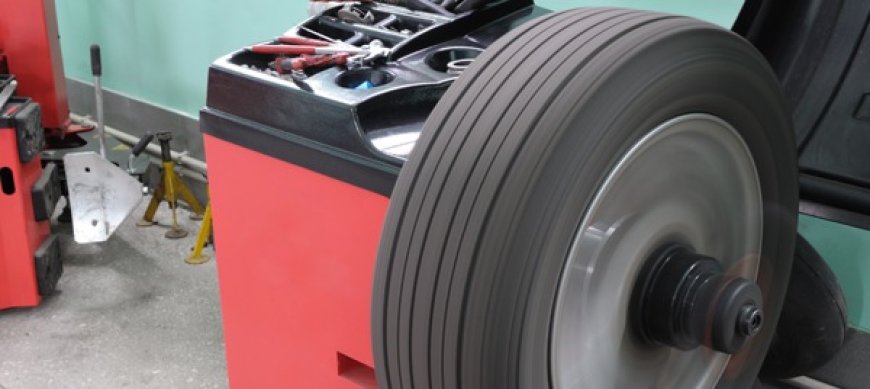
Balancing is all about weight distribution. Even a tiny imbalance in your wheels can cause vibration, uneven wear, and extra strain on your suspension.
When your tyres are balanced, small weights are added to the wheel to ensure it spins smoothly. This is usually done when you first install new tyres and should be checked if you notice vibration at high speeds.
Signs Your Tyres Need Balancing:
-
Steering wheel vibration
-
Uneven tyre wear
-
Increased fuel consumption
-
A less comfortable ride
If youve recently switched to Hankook tyres and notice these issues, a quick balancing check might be in order.
Can You Rotate and Balance Tyres Yourself?
Rotating tyres is technically possible at home if you have the right tools, a safe lift or jack, and time. But unless youre confident in doing it correctly, it's safer and faster to let a tyre shop handle it.
Balancing, on the other hand, requires special equipment, so it's best left to professionals. Most reputable service centers offer both services at an affordable rate, often bundled with new tyre purchases.
Do Hankook Tyres Require Special Care?
Like all quality tyres, Hankook tyres benefit from proper maintenance. Rotating and balancing them regularly ensures better performance, especially in a climate like the UAE, where road temperatures can soar and daily commutes can wear tyres down quickly.
Hankook tyres are known for their solid construction and reliable tread life, but that doesn't make them immune to wear and tear. Staying on top of basic services is the key to protecting your purchase.
How Tyre Rotation and Balancing Work Together
You might be wonderingarent rotating and balancing kind of the same thing? Actually, they do very different jobs:
-
Rotation evens out tyre wear across all wheels.
-
Balancing ensures each tyre spins evenly without wobbling.
Think of it this way: rotation spreads the work across your tyres, and balancing keeps the ride smooth. Doing both regularly gives you the best of both worldslonger-lasting tyres and better driving comfort.
Final Thoughts
If youre investing in a quality set like Hankook tyres, dont forget the simple things that keep them performing at their best. Tyre rotation and balancing may not sound exciting, but they can save you money, improve your cars handling, and keep you safer on the road.
Make tyre care part of your regular vehicle routine, and your car (and your wallet) will thank you down the line.