








Coffee Cupping Lab Equipment Essentials

Introduction
Cupping is the heartbeat of coffee evaluation. Its the industrys universal language for tasting, comparing, and grading coffeeboth green and roasted. Whether you're a specialty roaster sourcing micro-lots, a coffee importer assessing origin samples, or a Q Grader seeking consistency across harvests, the accuracy and professionalism of your cupping sessions depend on having the right tools in place. Thats wherecoffee cupping lab equipment becomes essential.
Setting up a dedicated cupping lab is not just about following tradition; its about creating a controlled, repeatable environment that allows coffee to be evaluated fairly, objectively, and scientifically. From the quality of your cupping bowls to the consistency of your grinders and the precision of your scales, each tool plays a direct role in how you assess, document, and purchase coffee.
In this comprehensive guide, we explore every element of a well-equipped coffee cupping lab. We'll dive into the must-have gear, the reasons behind each piece, and how professionals across the coffee chainfrom origin to export, roasting to retailuse cupping labs for daily operations. Well also highlight how Coffee Pro Direct offers the ideal equipment solutions for cupping labs around the world, whether youre just getting started or scaling your professional facility.
What Is Coffee Cupping?
Coffee cupping is the standardized method used by professionals to evaluate the aroma, flavor, acidity, body, and aftertaste of coffee. It involves brewing ground coffee with hot water in wide-mouth bowls without the use of filters or brewing devices. This simplicity ensures that nothing interferes with the pure expression of the coffee.
During a cupping session, multiple coffee samples are laid out side-by-side. Evaluators smell the dry grounds, pour hot water, break the crust, and slurp the liquid to aerate and spread the coffee evenly across the palate. Cupping protocols are designed to provide a consistent framework so that comparisons are fair and objective.
The Purpose of a Cupping Lab
A cupping lab is a dedicated space equipped with professional-grade tools that allow users to conduct these sessions repeatedly with scientific accuracy. The lab removes environmental variables that can skew perception and focuses on what matters most: the quality of the coffee.
A well-equipped lab is crucial for:
-
Green coffee grading
-
Quality control before and after roasting
-
Sourcing and purchasing decisions
-
Roast profile development
-
Sensory training and certification programs
-
Calibration among teams, buyers, and Q Graders
Whether the lab is inside a roastery, origin facility, or import warehouse, the right setup ensures the integrity of the evaluation process.
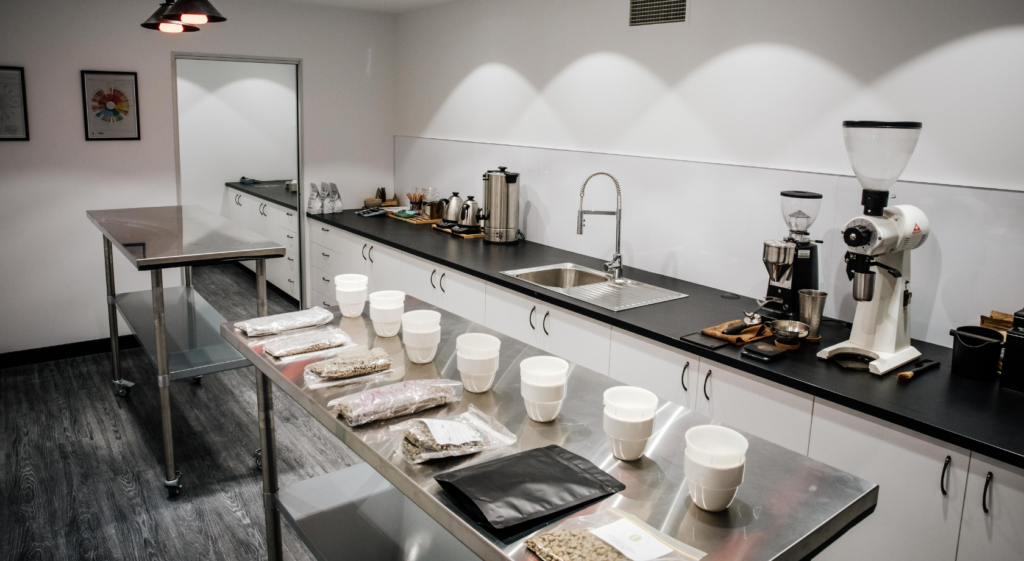
Must-Have Coffee Cupping Lab Equipment
Building a functional cupping lab requires specific tools, each serving a purpose within the workflow of sample preparation, tasting, and scoring. Below are the essentials found in every professional setup.
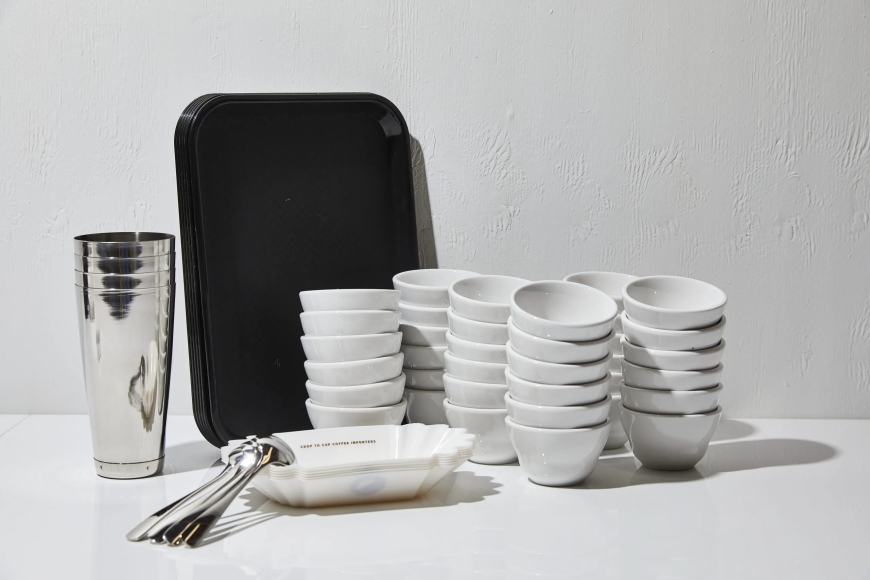
1. Cupping Bowls
Cupping bowls must be standardized in size, shape, and material. Most follow the SCA standard of holding between 200250 ml and having a wide opening. Uniformity ensures even extraction and comparable cooling rates.
-
Material: Ceramic or tempered glass is preferred for heat retention
-
Shape: Rounded interiors make it easier to break the crust and slurp
-
Consistency: All bowls should match in volume and color to avoid visual bias
2. Cupping Spoons
These aren't regular soup spoons. Cupping spoons are designed with deeper bowls and specific curvature to allow the user to slurp coffee with force, spreading it across the palate.
-
Material: Stainless steel or silver-plated for neutral flavor impact
-
Finish: Matte or reflective for aesthetic preference and lighting conditions
3. Cupping Tables
The cupping table must be ergonomically designed, easy to clean, and allow for efficient workflow. Round or U-shaped tables allow multiple participants to cup simultaneously and move easily between samples.
-
Surface: Non-porous and neutral (usually black or white)
-
Height: 3642 inches for comfortable standing cupping sessions
-
Layout: Should accommodate trays, samples, score sheets, and spittoons
4. Coffee Grinder
Consistency in grind size is critical for cupping. Burr grinders are preferred, and they should be dedicated solely to cupping to prevent cross-contamination of flavors.
-
Type: Flat or conical burr grinder
-
Particle Size: Medium-coarse, around 8001000 microns
-
Features: Easy cleaning, minimal retention, and adjustable settings
5. Weighing Scale
Accuracy matters when preparing multiple samples. Scales should have at least 0.1g precision and be able to measure both coffee and water weights.
-
Capacity: Minimum 500g, preferably up to 2kg
-
Display: Digital with backlight for clear reading
-
Functionality: Tare, auto-off control, and water resistance are useful
6. Kettles and Hot Water Source
Water must be poured at consistent temperatures, typically between 9396C. Electric gooseneck kettles with temperature control are ideal.
-
Type: Gooseneck for controlled pour
-
Temperature Control: Precise to 1C
-
Volume: Enough to prepare multiple samples without delay
7. Water Filtration System
The quality of water directly impacts extraction and flavor clarity. Labs use filtered water that meets the SCA water standards for cupping (odorless, neutral pH, and balanced mineral content).
-
System: Reverse osmosis + mineral injection or carbon filtration
-
Testing: TDS meters and pH strips help monitor water quality
8. Spittoons
Used to discard sips of coffee after tasting. Helps prevent palate fatigue and makes sessions hygienic, especially with multiple cuppers.
-
Material: Stainless steel or ceramic
-
Placement: One for every 12 cuppers
-
Sanitation: Should be cleaned between sessions
9. Sample Trays and Bean Organizers
Helps organize and identify samples before grinding. Often labeled with origin, roast date, and sample ID.
-
Material: Metal or food-grade plastic
-
Shape: Oval or rectangular for visibility
-
Usage: Keep raw and roasted samples separate
10. Evaluation Forms and Software
Cuppers use score sheets or digital tools to record their impressions. The standard SCA form evaluates fragrance, flavor, acidity, body, balance, and defects.
-
Paper: Printed cupping forms for traditional use
-
Software: Apps like Cropster or Artisan for digital tracking and cupping calibration
Optional but Recommended Equipment
While not required in every lab, these additional tools enhance professionalism and efficiency:
-
Moisture Meters: To measure green bean moisture before roasting
-
Color Readers: Agtron-style machines for roast level comparison
-
Thermocouples: Used to measure brew water temp and environmental control
-
Label Printers: For organizing and archiving sample data
-
SCA Color Tiles: For comparing roast consistency visually
Why a Well-Equipped Cupping Lab Matters
In the world of specialty coffee, details matter. A single defect, a hidden flavor note, or a small inconsistency can make or break sourcing decisions. A proper cupping lab ensures:
-
Objectivity: Eliminates environmental variables
-
Consistency: Supports replicable evaluations
-
Communication: Enables shared understanding among teams
-
Professionalism: Instills trust in customers, partners, and certifications
For exporters and importers, a cupping lab is a credibility tool. For roasters, its the gatekeeper for quality control and product development.
Why Choose Coffee Pro Direct?
At Coffee Pro Direct, we specialize in professional-grade coffee equipment designed for serious quality evaluation. Our range of cupping lab equipment is engineered for accuracy, durability, and efficiencysupporting labs from boutique roasteries to international exporters.
Heres why labs worldwide choose us:
-
Precision Tools: From calibrated cupping spoons to high-accuracy scales, every tool is built to SCA standards
-
Custom Lab Packages: Complete lab kits tailored to your budget, space, and workflow
-
Global Support: We provide consultation, shipping, and after-sales support worldwide
-
Integration Ready: Our equipment pairs seamlessly with Cropster, Artisan, and other professional platforms
-
Expert Knowledge: Our team includes experienced roasters and Q Graders who understand the cupping process deeply
Whether youre building a cupping lab from scratch or upgrading an existing one, Coffee Pro Direct is your go-to partner for professional equipment and industry expertise.
Setting Up Your Cupping Lab: Step-by-Step
Creating a cupping lab is an investment in your coffees future. Heres how to approach it:
Step 1: Define Your Purpose
Are you cupping for sourcing, quality control, training, or certification? Your purpose defines your scale and equipment needs.
Step 2: Choose the Right Space
Look for areas with natural light, good ventilation, and access to water and electricity. The space should be quiet and distraction-free.
Step 3: Invest in Essential Tools
Start with the must-have items: grinder, scales, cupping bowls, and kettles. Then build out additional tools based on need.
Step 4: Train Your Team
Use SCA protocols and calibration exercises. Train team members on consistency, cleanliness, and sensory standards.
Step 5: Establish Protocols
Document your cupping process: how to grind, how much coffee to use, how long to steep, how to record results.
Step 6: Review and Improve
Use feedback and cupping data to refine your lab, equipment setup, and training approach over time.
Conclusion
A fully equipped coffee cupping lab is not a luxuryits a necessity for any coffee professional who takes quality seriously. Whether youre sourcing beans, refining roast profiles, or conducting Q Grader evaluations, the tools you use directly affect your ability to taste, compare, and make critical decisions with confidence.
By investing in purpose-built equipment and following consistent cupping protocols, you elevate every aspect of your coffee operationfrom sourcing and quality control to customer satisfaction and brand reputation.At Coffee Pro Direct, we believe in empowering coffee professionals with the right tools for the job. Our cupping lab equipment is trusted by industry leaders, educators, and specialty roasters around the worldbecause when it comes to quality, the details matter.
FAQs
Q1: Whats the minimum equipment needed to start a cupping lab?
At a minimum, youll need cupping bowls, spoons, a burr grinder, a digital scale, a kettle with temperature control, and evaluation forms. This provides a foundation for small-scale quality evaluation.
Q2: How often should cupping equipment be cleaned?
Daily. Bowls, spoons, spittoons, and kettles should be washed thoroughly after each session to avoid cross-contamination and maintain hygiene standards.
Q3: Can I use the same grinder for cupping and production?
Its not recommended. Cupping grinders should be dedicated to sample evaluation to avoid oil buildup and flavor carryover from roasted production batches.
Q4: What type of water should I use in cupping?
Use filtered water that meets the SCA standard: 125175 ppm TDS, neutral pH, and no odors or chlorine. Poor water quality can obscure flavors or exaggerate acidity.
Q5: Why choose Coffee Pro Direct for cupping lab equipment?
Coffee Pro Direct offers precision-calibrated tools, global support, and equipment tailored to professional cupping standards. Our expertise ensures you get reliable results every time.