











Medical Role Play UK: Preparing Professionals for Real-World Healthcare Challenges
medical role play UK

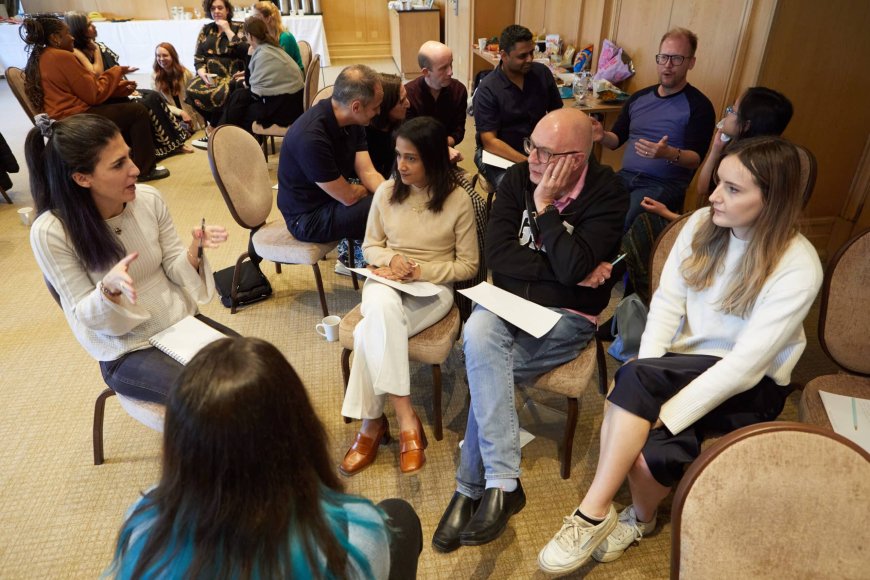
Being great at healthcare isnt just about knowing your medicine its about knowing people. Every day, healthcare professionals face emotionally charged, high-stakes situations where how they communicate matters just as much as what they do.
Thats where medical role play UK steps in.
This dynamic training method is helping healthcare professionals across the UK sharpen their communication skills, build emotional intelligence, and confidently manage challenging patient interactions. Whether its a student preparing for an OSCE or a senior nurse handling complaints on a ward, medical role play provides the kind of real-world practice that textbooks simply cant offer.
Lets explore how this approach works, why its so effective, and how trusted providers like Steps Drama are delivering life-changing training through live, human interaction.
What Is Medical Role Play and Why Does It Matter?
At its core, medical role play is a hands-on training method. Healthcare professionals engage in simulated scenarios with trained actors playing patients, relatives, or even colleagues. These arent rehearsed skits or scripted lines theyre realistic, unscripted, emotionally charged situations that reflect the kinds of conversations professionals face every day.
What sets medical role play UK apart is its depth and authenticity. The goal isnt just to practice what to say its to experience how it feels to say it, and how to adapt when emotions run high or communication breaks down.
Why Communication Is a Clinical Skill
In medicine, clinical skills often steal the spotlight. But great communication is what holds everything together.
Imagine trying to explain a complex treatment plan to a worried parent, or managing a frustrated patient who feels ignored. These moments are where patient trust is either built or lost and thats why communication is considered just as vital as diagnostic ability.
Medical role play helps professionals:
-
Develop empathy under pressure
-
Build trust through clear, respectful language
-
Respond effectively to conflict or distress
-
Reflect on their non-verbal communication and listening skills
When used as part of broader training, it reinforces the human side of clinical care and thats something every patient deserves.
The Role of Professional Actors in Role Play Training
To make these scenarios truly effective, the role of the actor is crucial. Professional role players, like those from Steps Drama, bring consistency, believability, and emotional intelligence to the training environment.
Theyre not just pretending to be patients they embody them. And because theyre trained to give feedback from the patients perspective, they offer insights that facilitators and peers might miss.
This kind of feedback honest, emotionally grounded, and immediate is what makes the learning stick.
Who Benefits from Medical Role Play UK?
One of the greatest strengths of medical role play is its flexibility. It works across roles, experience levels, and healthcare settings. Heres who benefits most:
-
Medical students gaining confidence before clinical placements or exams
-
Junior doctors and nurses learning to communicate with empathy and authority
-
Mental health professionals handling crisis situations and sensitive conversations
-
GPs and consultants refreshing bedside manner and consent discussions
-
Healthcare reception and admin staff dealing with angry or distressed members of the public
-
Palliative care workers supporting families during end-of-life care
Because each role play session can be tailored to the audience, it ensures relevance and impact whether its for one person or an entire team.
Scenarios That Reflect Real-World Challenges
Medical role play can simulate virtually any scenario a healthcare professional might face. The most powerful ones mirror real clinical or emotional complexities. Some examples include:
-
Telling a patient they have a life-limiting condition
-
Responding to a patient who refuses treatment
-
Supporting a family receiving end-of-life updates
-
Communicating with patients who dont speak English fluently
-
Diffusing anger from patients unhappy with wait times or service
-
Discussing mental health concerns with a reluctant individual
-
Explaining consent to a vulnerable patient
Each scenario challenges the participants emotional intelligence, listening skills, and ability to adapt all within a supportive, reflective environment.
Inside a Medical Role Play Session
Heres what a typical session looks like when facilitated by professional providers like Steps Drama:
1. The Brief
Participants are given a scenario summary including the character theyll play (doctor, nurse, etc.), the patient background, and the training objective.
2. The Role Play Begins
The trained actor enters the scene in character. The learner interacts with them just as they would in real life. There are no scripts just natural, emotionally driven conversation and reaction.
3. The Debrief
Once the scene ends, the group reflects. The facilitator guides the feedback session, and the actor gives insights from the perspective of the patient. Its an opportunity to hear how the interaction felt not just how it looked.
4. Reflection and Repetition
In some sessions, learners repeat the scenario after feedback, trying new approaches. This cycle of action and reflection is what makes the learning deep and lasting.
Why Organisations Are Choosing Steps Drama
There are many training companies out there, but few understand the emotional complexity and sensitivity of healthcare like Steps Drama.
Their team offers:
-
Professional actors trained in clinical realism
-
Custom scenarios tailored to client needs
-
Experienced facilitators who create a safe space for learning
-
A focus on values-based communication aligned with NHS priorities
Whether for one-on-one coaching or team-wide simulation days, Steps Dramas work helps organisations create real change not just box-ticking training.
How This Training Supports NHS Core Values
The NHS has long prioritised compassion, dignity, and respect. But delivering that in day-to-day practice takes more than good intentions it takes practice.
Medical role play helps reinforce these values in action:
-
Compassion by teaching empathy in difficult conversations
-
Respect by helping professionals understand different perspectives
-
Excellence by promoting continuous learning
-
Teamwork through collaborative simulations
-
Safety by reducing the risk of miscommunication
This isnt soft-skills training its essential preparation for better patient care.
What People Say After Role Play Sessions
One of the most telling signs of good training is what learners say afterward. Heres what participants often report after engaging in medical role play UK sessions:
It felt more real than I expected I was actually nervous.
The feedback from the actor gave me a completely new perspective.
I learned how to slow down and really listen that changed everything.
I now feel more prepared to have difficult conversations without freezing up.
These arent just comments. Theyre transformations. And thats the power of experiential learning.
Final Thoughts: Training the People Behind the Medicine
Healthcare will always be a science. But its also a deeply human profession. And the best healthcare professionals are the ones who can balance both knowledge and compassion, procedure and presence, confidence and kindness.
Thats what medical role play UK delivers. It prepares people not just for the job, but for the emotional complexity of patient care. It helps them speak clearly, listen fully, and respond with empathy even under pressure.
And with experienced providers like Steps Drama, youre not just getting actors. Youre getting partners in growth.
If you're ready to bring real-world communication training to your team or organisation, this is where to start. Because better conversations lead to better care every time.