










This Is The Most Remarkably Brutal Yet Beautiful ABC Hike Ever
Experience the brutal beauty of the Annapurna Base Camp trek — a tough, transformative Himalayan journey filled with breathtaking views, Sherpa culture, and raw nature.

This Is The Most Remarkably Brutal Yet Beautiful ABC Hike Ever
Hikers often talk about the Annapurna Base Camp Trek (ABC trek) in hushed whispers, yet breathless wordsan epic tale of contrasts. Make no mistake, it's one of the most breathtakingly brutal treks on the planet. Thousands visit the trail each year, lured by the prospect of the towering Himalayan peaks, the unspoiled rhododendron forests, and the semblance of the mystical in one of Nepals most celebrated landscapes. But few know the yin and yang of this trek the way it can push you to the brink physically and mentally, yet reward you with nearly otherworldly sights.
The brutality of the ABC amble starts early, for one. The trail is well-travelled and steep, with little reprieve. You climb over 4,000 meters (13,000 feet) high to the very base camp itself, passing through narrow pathways etched into the mountainside, crossing icy rivers, and suffering the Annapurna regions unpredictable weather. Altitude sickness hangs like a shadow over every step, with thin air making the simplest task arduous. The trail winds up through thick forests and jagged terrain, and many hikers who make the mistake of underestimating how tough the climb is can be heard panting and groaning, muscles on fire, as they ascend. Nights in the teahouses are freezing, led only by the scant relief of the thin mountain air.
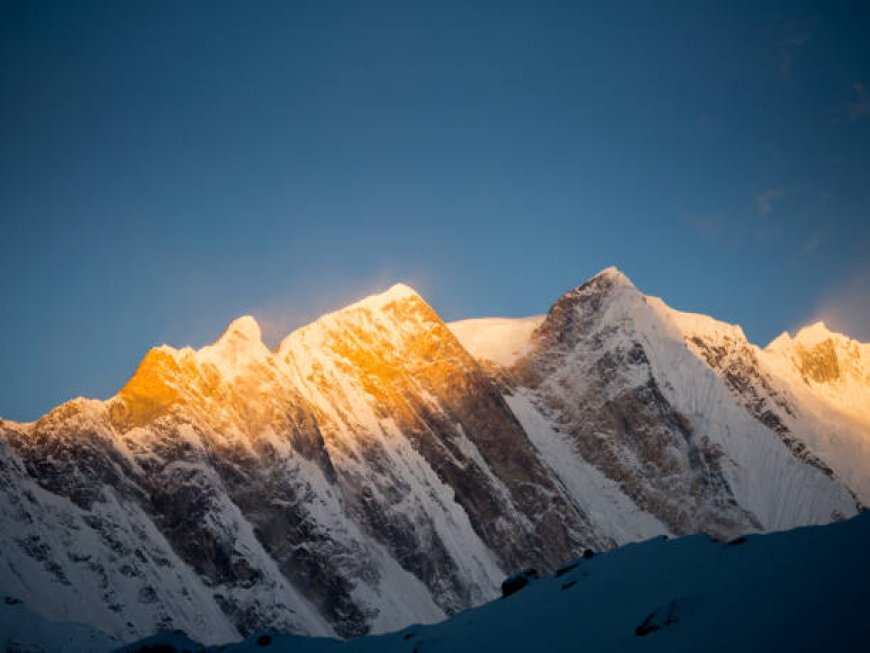
But it is, perhaps, in this harshness that the journey becomes all the more unforgettable. The landscapes are stunning and mind-blowing everywhere you look from the lush green terraces to the alpine meadows, the snow-dusted ones especially. The serrated Annapurna massif looms in the distance, ?its peaks glinting as if ice sculptures had been thrust up through the sky. At the base camp itself, views are nothing short of a revelation a panoramic vista of snow-capped giants that are almost surreal to witness. A raw, primeval kind of beauty, unspoiled by time and civilization, where the silence screams out and the air is crisp.
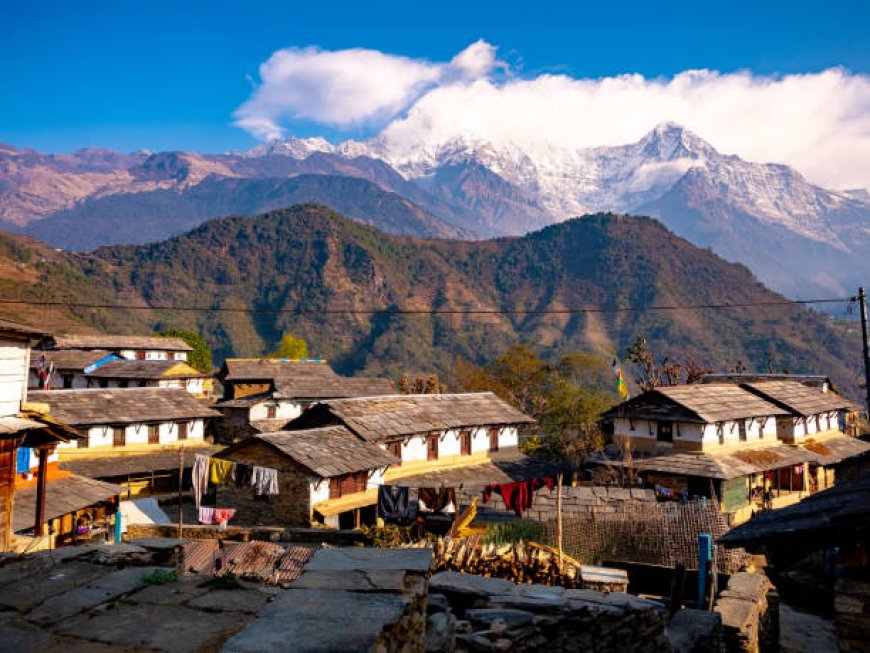
The trek is a cultural odyssey as well. The various villages at intervals are inhabited by Gurung and Tibetan people who generously meet travelers and offer a sanctuary from the cold. Their prayer flags take flight in a breeze that races down the mountain, and the scent of incense slips through the fresh pine. Eating dal bhat for a meal or drinking butter tea in a rudimentary teahouse connects with trekkers' centuries-old traditions and stories, anchoring the physical challenge in a deeply human experience.
What makes the Trek To Annapurna Base Camp so unreasonably hard and beautiful is that it will break you down, but it comes around. Whatever fatigue you experience on the steep climbs is rewarded with amazement and peace. The agony of altitude-induced breathing is countered by the peace of a Himalayan dawn. Its a slog that every aching step up the trail is paid back with a view no camera can capture.
And in the final analysis, the Annapurna Base Camp trek is so much more than just a trekits a journey, its a transformation. Its about pushing past your limits and confronting natures unsullied force, and about experiencing a beauty so overwhelming it sticks with you long after you go back home. For those who dare to face its brutality, ABC delivers an experience that is as humbling as it is awe-inspiring a reminder of the extraordinary spirit of the mountains and the guts and brawn of those who are crazy enough to play on them.
The Dream Begins: Heading to ABC
The anticipation of heading to the Annapurna Base Camp Trek Tour feels like the beginning of a dream that has been brewing for months, maybe even years. Anticipation grows with each packed bag, each map consulted, each tale related by those who have made the trek. For some, this is more than a holiday. Its a pilgrimage, an opportunity to get close both to the snow giants of the Himalayas ?and to themselves. The minute you drive out of the maddening Pokhara or Kathmandu, it feels like stepping out of the world altogether.
The early days are packed with butterflies. Around the campfire, theres an electric sense of anticipation among your fellow trekkers, from all ages and walks of life, who are brought together with a common purpose: reaching the base of one of the worlds most impressive mountain ranges. From the outset, friendly local guides and porters, with their steady knowledge of the paths, set the groups nerves at ease. The further one hikes from villages and into wilderness, the sound of civilization is left behind to be replaced by birds, bird calls, and the rhythmic stepping of feet across walking paths.
There are moments of thrill and humility at every step. The monolithic peaks that tower up on all sides appear at once inviting and imposing. The dream of ABC is well and truly alive just up ahead; however, the trek commands respect. The mountain does not yield itself easily. Its also a reminder that this is as much, if not more, about the journey to the destination, and this quest encompasses every single moment of that journey.
A First Step Into the Himalayan Wilderness
The first walk into the wild Himalayas on the ABC trek is one youll never forget, on account of its beauty and its thigh burn with economic Annapurna Base Camp Trek Cost. Further descending away from the last remnants of villages and clusters of hamlets, the trail sinks deeper into the cool, thick woods, and a rich, earthy, and floral scent fills the air. The noises of life are replaced by the sound of leaves rustling and bird cries in the distance. The passage from civilization to wildness is tangible, as though one is stepping into another world. The terrain changes fast, from terraced fields to towering trees and rushing streams.
Hiking into this wilderness demands a mindful pace. The trail starts easy and gradually becomes steeper and more rugged. Its a challenge of stamina and waiting. For many, the early promise of trekking is tempered by the understanding that this is not a walk in the park. The body adapts, stretching muscles and contracting them with the effort, breathing deeply in the clean mountain air. Theres a closeness to nature that city life seldom affords, the sense of being part of something much larger.
This part of the journey is where there are often moments of magic out of nowhere. A sudden clearing could expose the snow-dusted Annapurna summits sparkling in the sun, or a fluttering of prayer flags in the wind. Its a reminder that the wild is born anew each spring, rife with wonders, and offers rewards to those who are brave enough to push into it.
Fighting the Steep Trails and Thin Air
The difficulty ramps up as the journey continues. The inclines are relentless, switchbacking up ravines, thinly cut through rock?faces. Each step weighs harder now that the air around you grows thinner and the littlest things, like just taking a deep breath, become challenges of their own. The body rebels, with burning legs and pounding heart, but the will to continue pushes trekkers on. Its a physical struggle with gravity and altitude that demands you concentrate on every step, every breath.
The thinning air is an abrupt reminder that the mountains are not just pretty; they are serious business. Many are threatened by altitude sickness, which can manifest as headaches or dizziness. Slow going, together with lots of water and altitude acclimatisation, are the only sure-fire strategies for staying alive. Guides and fellow trekkers offer support and encouragement as everyone struggles against the unseen heaviness of altitude. Its during these times when the slog shows its true nature: as a challenge not of the body, but of the mind.
But though the climb is exhausting, the views are awe-inspiring, and the reward is great. Every pass ascended, every saddle traversed, opens onto vistas of sugar-dusted peaks above and dark valleys below. The suffering is soothed by the surrounding beauty, where every ass-burning step is a step closer to something amazing.
Experiences of Sherpa Culture and Warmth
The opportunity to meet the Sherpa people, Annapurna Base Camp Trek Guide, is one of the highlights of the Annapurna Base Camp trek, whose culture is so deeply rooted in these mountains. While entering a village pass, trekkers are received like kings with warm hospitality, and the trials of the trail are all forgotten. Their resilience and friendliness are striking, providing a window into a way of life that has been molded over generations by living in the mountains. It also serves as a reminder to trekkers that the journey is not only about nature, but also human connections.
Sherpa culture is steeped in tradition, with prayer flags draped from every rooftop and along every street, and the paths that the HTC trekkers walk lined with mani stones (stones bearing inscriptions of holy mantras). Their religious beliefs and reverence for the mountains breathe a reverence into the valley. Trekkers are often offered meals or tea (much appreciated on a cold day) in snug lodges, and are entertained with tales of local customs and lore of the mountains. This cultural exchange adds extra texture to the meaning of the trek and offers pauses for reflection and thanks amidst the physical grind.
More than the physical warmth, the Sherpas spread the essence of the Himalayasaffable, resilient, humble, and closely tied to the earth. Their company adds flavor to your trekking, distinguishing it as more than a mere endurance test and allowing it to become an exploration of a living mountain culture. Its this combination of human kindness and stunning landscape that makes such an unforgettable impression on every trekker.
The Night of Machapuchare up in the skies
The Annapurna region has a unique transformation evening hours. At night, as trekkers settle in lodges near Machapuchare, known as the Fish Tail mountain, the skies clear and create a stunning canopy of stars. Apologetic and aware of our situation in the hills, the host offers a bottle of wine as we lose ourselves in the mesmerising night sky, reminiscing about the constellations studded like diamonds against the velvet night. This astronomical phenomenon serves as a reminder of just how huge the universe is, so much so that the darkness and sore feet of the hike feel petty and deeply humbling.
The cold mountain air heightens the visibility of the stars, and the Milky Way forms a blazing arch across the sky. Many trekkers dont need much encouragement to step outside after a days walking, lured by the silence and the sheer beauty of the cosmos. The scene is so peaceful, so calming, providing the perfect balance for a day filled with physical exertion. Its a time when the grandeur of nature shows itself not only in the giant peaks but in the sky that seems infinite.
There is also an almost mystical sense to these nights, as though the mountains themselves are gazing down on the trekkers. The twinkling stars provide company in the emptiness, and the chill is softened by the warmth of the stories and dreams around wood-burning stoves. The sky over Machapuchare at night is a timeless testimony that the journey is as much about what one discovers within as without.
Crossing of Glacial?Rivers and Rocky Ravines
The Annapurna Base Camp trek offers some of the most exciting and varied landscapes that any trek in Nepal has to offer, and there is nothing quite as game-rousing as trying to navigate your way across glacial rivers and rocky pathways that can take both prudence and courage to cross. Balancing across the (often snowy)?swollen rivers takes careful nerve. The chilly waters roar through with fervency, and the bridges whether made of wood or suspension react to every step taken on them. Those crossings stand as sharp reminders of the mountains' unpredictability, of nature's force that is always there.
Rocky passages again challenge a trekkers balance and concentration. Rough rocks and rough ground impel the hand to a cautious, unhurried advance, now and again catching at the papa for support. And these parts are tiring, especially as altitude increases and muscles fatigue. Every toehold matters, and a single wrong step can end in injury. But the difficulty of those passages is matched by their raw beauty millennia-old rocks that were smoothed by glaciers and eroded by time, surrounded by waterfalls and alpine flora.
It can feel more rewarding to have worked around these natural obstacles. To cross over is a triumph of the human spirit and its ability to endure. It is in surmounting those physical challenges that trekkers say they feel the closest to the raw, untamed spirit of Annapurna ?a wild, beautiful place that is both cruel and in need of respect, yet also rooted in camaraderie, shared suffering, and, sometimes, reward.
Annapurna Base Camp: Unbelievable and Exhausting
After days of punishing climbs, after fighting and struggling against thin air, hitting Annapurna Base Camp is a moment of sheer awe, madness fatigue. The camp, nestled at the base of soaring peaks, is both the terminus of an?a long journey and a time to reflect deeply. And standing there in the snow and the ice, confronted by the vast, towering enormity of the Himalayas, trekkers often find themselves speechless, humbled by natures majesty and, if theyve pitched themselves against those mountains and written them off as mere mounds of ground, their tenacity.
There is the physical part of the trek, which cannot be denied: tired muscles, gasping breath, and cold that enters the bones. But it is all worth it when you see the awe-inspiring views. The enormous peaks of Annapurna sprawl off into the distance with not a care in the world, their serrated ridges and glacier-frosted hanging valleys glowing in the morning light. A camp is buzzing with a soft hum of trekkers exchanging stories of them hoisting the flag of their achievement and revelling in the stunning setting.
Arrival at the base camp is a victory and a moment to stand on the brakes, a reminder of just how strong the human spirit is. Its a spot where fatigue and wonder crash together, leaving a memory imprinted on the souls of all who dared travel here. In this delicate expansiveness, every step of the cruel journey is given significance.
Thoughts on the Savage Beauty of ABC
The Annapurna Base Camp trek proves to be a memory that lingers even after the trail comes to an end a concoction of strenuous physical venture and beautiful natural reward. Pondering the journey, many trekkers say the suffering made the gorgeous moments that much more luminous. Mountain air is another thing entirely, and sure, you need to know your limits, but you are also opening your eyes to some of the rarest landscapes youll ever see.
That brutal beauty is the essence of ABC. It is a hike that doesnt pull any punches, but one that will have rewards few other places on earth have to offer. Broad snow-capped peaks, ?dark forests, racing rivers, and whispering alpine meadows make for a world wild and bewitching. The mountains are humbling, teaching patience, fortitude, and humility with every step.
In the end, the ABC trek is not just a physical testits a spiritual journey. Its uncomfortable, ?puts you in touch with nature and culture, and maybe even makes you feel strong in a way you otherwise never would have known. The brutal and breathtaking beauty of Annapurna Base Camp will have a permanent place in your memory and heart, because sometimes, the most difficult of fights yield the sweetest of victories.
What is the most difficult trek in Nepal?
And the Annapurna Circuit and Everest Base Camp treks are difficult but crowded. But the Kanchenjunga trek or the Manaslu Circuit trek are also considered among the most difficult due to their remoteness, challenging terrain, and greater chance of altitude sickness. On pure toughness and danger, others would cite the Gokyo Lakes route with Everest Base Camp, or the Upper Dolpo trek, among the most remote and strenuous anywhere.
What is the cost of ABC?trekking for Nepalis?
Trekking costs are more or less cheaper for Nepali citizens compared to foreign nationals. Foreigners are charged for TIMS (Trekkers Information Management System) and ACAP (Annapurna Conservation Area Project) permits, which Nepali trekkers often dont require or pay less for. For ABC trekkers, the main expenses to be considered by Nepali trekkers are food, accommodation (which can be very basic in local lodges), and transportation.
The estimated cost of the ABC trek for Nepalis is: 10k to 20k NPR (depending on days and personal spending). For foreigners will cost around 500 to 1000 or more USD.
What is the most beautiful trek in Nepal?
Beauty is in the eye of the beholder, but I think the ABC trek is one of the most beautiful, thanks to its varied terrainlush forests, alpine meadows, and jaw-dropping mountain vistas of the Annapurna massif and Machapuchare (Fishtail), to name a few. Others recommend the Ghorepani Poon Hill trek for stunning sunrise views, or?the Langtang Valley trek for untouched nature and cultural exposure.
How long is the ABC hike?
The Annapurna Base Camp trek usually ranges from 7 to 12 days for the round trip and 110130 km quantitatively, depending on the chosen route and adding to your pace. Most Mingzong trekkers take 9 to 10 days, taking time along the way for acclimatization and seeing the sights.